Call: 07313727294
 Send Inquiry
 Send Inquiry
Hospital Sewage Treatment Plant
Price 200000.00 INR/ Unit
MOQ : 1 Unit
Hospital Sewage Treatment Plant Specification
- Lead Time
- 30-45 Days
- Membrane Size
- Standard / Custom as per design
- Power
- 3-25 kW
- Function
- Removes pathogens, organic matter, and chemical contaminants
- Dimension (L*W*H)
- Customized as per requirement
- Membrane Quantity
- Based on plant capacity and design
- Color
- Green / Blue
- Application
- Effluent purification in hospitals
- Product Type
- Hospital Sewage Treatment Plant
- Voltage
- 380V / 415V
- Material
- Mild Steel
- Capacity
- 5 KLD to 500 KLD
- Weight
- Approx. 2-5 Tons
- Automation Grade
- Semi-Automatic / Fully Automatic
- Noise Level
- < 70 dB
- Pre-treatment
- Screening, Oil & Grease Removal
- Treatment Process
- MBBR / SBR / Moving Bed Biofilm Reactor / Membrane Bioreactor
- Post-treatment
- Chlorination / UV Disinfection
- Installation Type
- Above Ground / Underground
- Control System
- PLC Based Panel
- Inlet/Outlet Size
- Custom as per flow rate
- Sludge Handling
- Automatic / Manual
- Mode of Operation
- Continuous
- Lifespan
- Up to 20 years
- Ambient Temperature
- 5°C to 50°C
- Discharge Norms
- Conforms to CPCB & State Pollution Control Board Standards
Hospital Sewage Treatment Plant Trade Information
- Minimum Order Quantity
- 1 Unit
- Supply Ability
- 10 Units Per Month
- Delivery Time
- 1 Week
About Hospital Sewage Treatment Plant
Our Hospital Sewage Treatment Plant is structured on recent drift viable particle procedure of counter current recovery. The unit comprises of two erosion free vessels inside associated in arrangement. Besides, the main section containing Cation engrossing exchanger and second segment accused of an anion retaining exchanger. The water moves through the exchanger bed to an anion exchanger bed. Subsequently the Hospital Sewage Treatment Plant expel dissolved salts from water to a predetermined degree. This plant is easy to install and use to recycle contaminated and medical liquids.
Reliable Conformance to Regulations
Our sewage treatment plant strictly adheres to CPCB and State Pollution Control Board standards, ensuring your hospitals wastewater discharge meets all legal and safety requirements. The technology is carefully crafted for sustained compliance, giving peace of mind to healthcare institutions.
Adaptable and Advanced Technology
From MBBR and SBR to Membrane Bioreactors, the plant offers a selection of biological treatment processes. A PLC-based control panel facilitates either semi-automatic or fully automatic management, maximizing operational efficiency and reliability. Customizable inlet/outlet sizes and dimensions cater to varied facility flows.
End-to-End Effluent Purification
Each system achieves effective pre-treatment with screening and oil & grease removal, comprehensive biological treatment, and final disinfection through chlorination or UV. The built-in sludge handling component may be operated either automatically or manually, depending on your operational preferences.
FAQs of Hospital Sewage Treatment Plant:
Q: How does the hospital sewage treatment plant ensure compliance with discharge standards?
A: This plant is engineered to comply with CPCB and respective State Pollution Control Board norms by incorporating advanced processes like MBBR, SBR, and membrane bioreactor technologies. Treated water meets or surpasses required quality standards before it is released.Q: What treatment technologies are used in this sewage treatment plant and how do they work?
A: The plant utilizes Moving Bed Biofilm Reactor (MBBR), Sequencing Batch Reactor (SBR), and Membrane Bioreactor processes. These technologies efficiently break down organic matter, remove pathogens, and filter chemical contaminants to ensure clean effluent.Q: When should a hospital consider upgrading to a fully automatic system?
A: A fully automatic system is ideal when you require minimal manual intervention, higher operational precision, and enhanced monitoring. This upgrade ensures seamless operations, making it suitable for hospitals with high flow rates or stringent compliance requirements.Q: Where can this sewage treatment plant be installed within a hospital premises?
A: The system can be installed either above ground or underground, depending on site constraints and preferences. It is custom-sized to fit available spaces and specific flow rate requirements.Q: What is the typical operational process, from inlet to final treated water?
A: The process begins with pre-treatment through screening and oil & grease removal, followed by biological treatment using selected reactor technology (MBBR/SBR/MBR). Final disinfection is done via chlorination or UV to ensure water safety before discharge.Q: How is sludge managed in the system, and what are the options?
A: Sludge handling can be set to automatic or manual based on your operational needs. The system ensures efficient separation and management of sludge, easing disposal or further treatment as per regulations.Q: What are the key benefits of using this hospital sewage treatment plant?
A: Key advantages include compliance with pollution norms, effective pathogen and contaminant removal, customizable configurations, low noise operation, robust pre- and post-treatment, long service life, and adaptability to various hospital sizes and infrastructure layouts.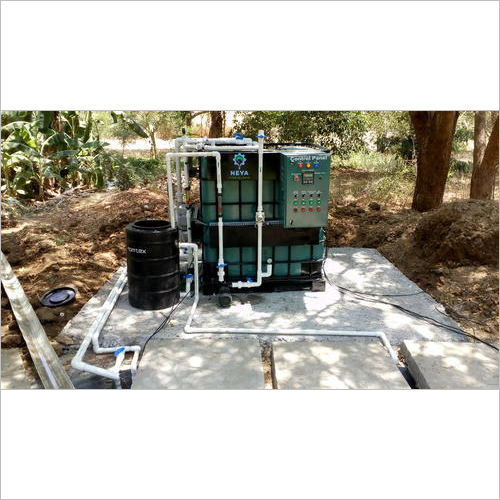
Tell us about your requirement

Price:
Quantity
Select Unit
- 50
- 100
- 200
- 250
- 500
- 1000+
Additional detail
Mobile number
Email

More Products in Industrial Wastewater Treatment Plant Category
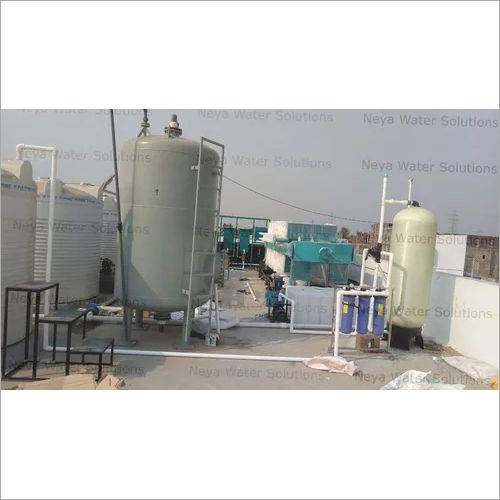
Wastewater Treatment Plant
Price 400000.00 INR / Unit
Minimum Order Quantity : 1 Plant
Function : Biological, Chemical, and Physical Wastewater Purification
Capacity : 50 KLD 500 KLD
Material : Mild Steel (MS)
Product Type : Wastewater Treatment Plant
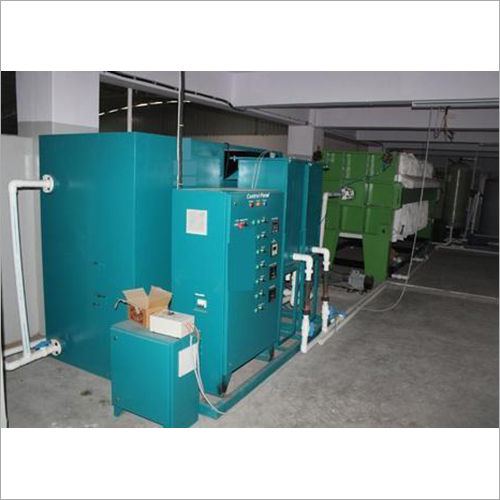
Effluent Wastewater Treatment Plant
Price 400000.00 INR / Unit
Minimum Order Quantity : 1 Plant
Function : Removes Organic, Inorganic, Suspended and Dissolved Solids, Reduces BOD, COD, TSS, and Pathogens
Capacity : 1 KLD 5000 KLD (Kiloliters/day), Customizable
Material : Mild Steel / Stainless Steel / Polypropylene (as per requirement)
Product Type : Effluent Wastewater Treatment Plant
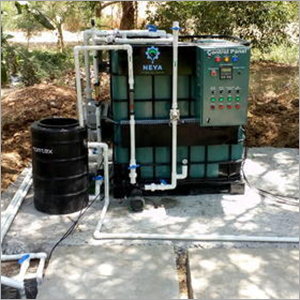
Industrial Waste water Treatment Plant
Price 400000.00 INR / Unit
Minimum Order Quantity : 1 Plant
Function : Removal of physical, chemical, and biological contaminants from wastewater
Capacity : 10 KLD to 1000 KLD
Material : Mild Steel
Product Type : Industrial Waste Water Treatment Plant
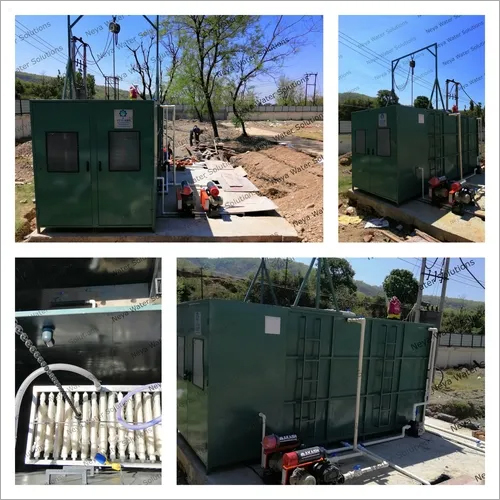
Commercial Wastewater Treatment Plant
Price 400000.00 INR / Unit
Minimum Order Quantity : 1 Plant
Function : Removes contaminants, Suspended solids, BOD, COD, and harmful microorganisms
Capacity : 1000 50000 Liters/Hour
Material : Mild Steel
Product Type : Commercial Wastewater Treatment Plant

Contact Details
NEYA WATER SOLUTIONS
GST : 24AANFN8861D1Z1
- S.No-578/2, T.P.S.-91, Nr. Siddhpura Estate, Nr. Ramol Chowkdi, Near Hanumanji Mandir, Vatva Gidc, Ahmedabad - 382440, Gujarat, India
- Phone :07313727294
 Send Inquiry
 : 08264803636
|


Developed and Managed by Infocom Network Private Limited.
