Call: 07313727294
 Send Inquiry
 Send Inquiry
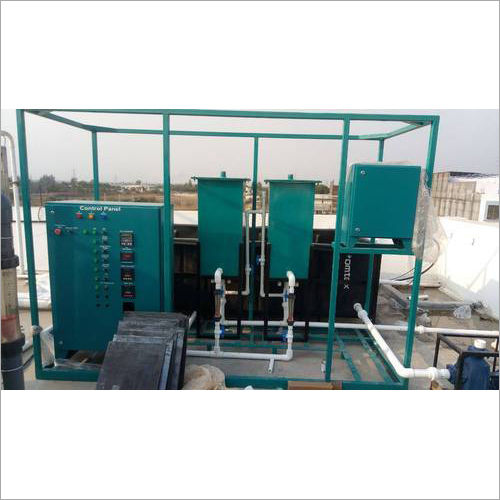
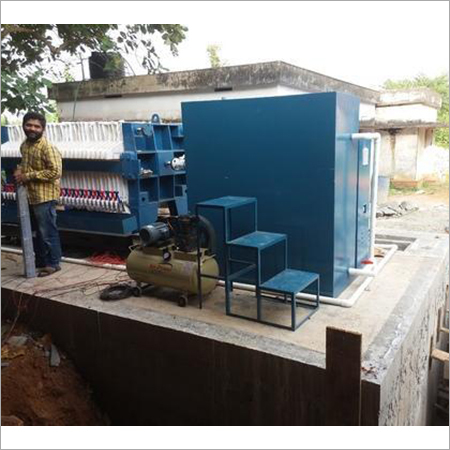
Effluent Wastewater Treatment Plant
Price 400000.00 INR/ Unit
MOQ : 1 Plant
Effluent Wastewater Treatment Plant Specification
- Function
- Removes Organic, Inorganic, Suspended and Dissolved Solids, Reduces BOD, COD, TSS, and Pathogens
- Capacity
- 1 KLD - 5000 KLD (Kiloliters/day), Customizable
- Lead Time
- 3-8 Weeks (Depending on capacity & design)
- Application
- Industrial, Commercial, Municipal, Textile, Food Processing, Pharmaceutical, Chemical, and Other Industries
- Weight
- Depends on Plant Size and Configuration
- Power
- 3-50 kW (Depending on plant size)
- Product Type
- Effluent Wastewater Treatment Plant
- Membrane Quantity
- As per design requirement
- Voltage
- 220V / 380V / 415V, 3 Phase, 50-60 Hz
- Membrane Size
- 0.2 - 1.0 micron (in case of MBR/UF processes)
- Material
- Mild Steel / Stainless Steel / Polypropylene (as per requirement)
- Color
- Blue / Green / Grey / Customized
- Dimension (L*W*H)
- Customized as per site / client requirement
- Discharge Standards
- CPCB & EPA Norms Compliance
- Tank Construction
- FRP/MSRL/SS/Concrete options available
- Control Panel
- Microprocessor / PLC Based
- Service Life
- 15+ years with proper maintenance
- Installation
- On-site, Turnkey Solution
- Automation Grade
- Automatic / Semi-Automatic / Manual (Optional)
- Treatment Process
- Primary, Secondary, and Tertiary Treatment with Biological and Chemical Processes
- Noise Level
- Less than 75 dB
- Operating Temperature
- 5°C to 50°C
- Accessories
- Blower, Pumps, Diffusers, Electrical Control Panel, Piping, Valves, etc.
- Effluent Outlet
- Treated water reusable for gardening, process, and flushing
- Inlet Water Quality
- Handles High TDS, COD, BOD Loads
Effluent Wastewater Treatment Plant Trade Information
- Minimum Order Quantity
- 1 Plant
- Supply Ability
- 10 Plants Per Month
- Delivery Time
- 1 Week
- Packaging Details
- As per requirement
- Main Domestic Market
- All India
About Effluent Wastewater Treatment Plant
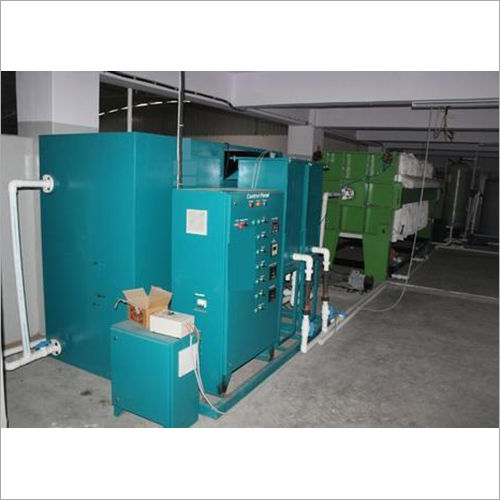
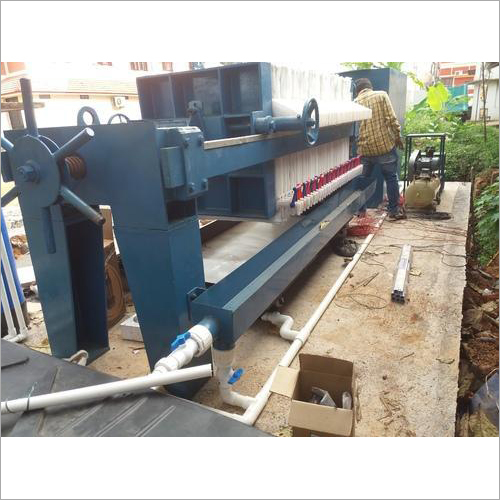
Effluent Wastewater Treatment Plant that we introduce to innumerable respected clients is engineered and manufactured by adroit professionals, using up to 2kW water pump, energy efficient air blower, upgraded control panel, metal housing, and other contact components & parts. With 0.01 micron filtration precision and 100m3/day feed flow rate, the plant filters solid waste generated from varied food processing sectors like hotels, canteens, restaurants, etc. The Effluent Wastewater Treatment Plant performs non-stop without hassle, and requires less maintenance.
Other Details:
- Application: Industrial
- Material: Metal
- Automation Grade: Automatic,Manual,Semi Automatic
- Power Source: Electric
- Condition: New
- Plant Type: Wastewater Treatment Plant
Specification
Filtration Precision | 0.01 micron |
Water Source | Industrial Effluent |
Condition | New |
Impurities to be removed | Oil and Grease |
Automation Grade | Automatic |
Feed Flow Rate (cubic-meter/day) | 100 |
Water Pump Power | Upto 2 kW |
Comprehensive Treatment Process
The plant integrates primary, secondary, and tertiary treatment stages, utilizing both biological and chemical techniques. This multi-stage process efficiently removes organic, inorganic, suspended, and dissolved solids, as well as pathogens, reducing BOD, COD, and TSS levels to meet strict CPCB and EPA norms.
Customization for Every Need
Available in various materials and capacities (1 KLD to 5000 KLD), the system is tailored to specific industrial, municipal, or commercial applications. Configuration, color, size, and control panels are designed as per client requirements, ensuring maximum efficiency and compatibility with site conditions.
Advanced Automation & Durability
Equipped with options for automatic, semi-automatic, or manual operation, the plant features microprocessor or PLC-based control panels. High-grade materials and robust construction ensure a noise level below 75 dB and service life greater than 15 years with routine maintenance.
FAQs of Effluent Wastewater Treatment Plant:
Q: How does the Effluent Wastewater Treatment Plant manage high TDS, COD, and BOD in wastewater?
A: The plant uses a sequential process involving primary (physical), secondary (biological), and tertiary (chemical or membrane) treatment stages to efficiently reduce high Total Dissolved Solids (TDS), Chemical Oxygen Demand (COD), and Biochemical Oxygen Demand (BOD) levels, ensuring compliance with CPCB & EPA norms.Q: What types of industries and applications are suitable for this wastewater treatment system?
A: This plant is ideal for a wide range of sectors, including industrial, municipal, commercial, textile, food processing, pharmaceutical, and chemical industries, among others. Its robust design can handle diverse contaminant loads across various operational environments.Q: When is it beneficial to choose automatic, semi-automatic, or manual operation for the treatment plant?
A: The choice depends on the level of human intervention preferred and resource availability. Automatic systems are optimal for minimal supervision, semi-automatic for some manual control, and manual for maximum operator inputeach can be tailored to your facilitys needs.Q: Where can the treated water from the plant be reused effectively?
A: Treated water meets strict discharge norms and is safe for gardening, flushing toilets, or process uses within your facility. This recycling significantly conserves fresh water and lowers operational costs.Q: What is the installation process for this effluent treatment system?
A: Installation is conducted on-site as a turnkey solution. Experienced professionals handle all aspects, from initial design and manufacturing to commissioning, ensuring the system fits the clients specific site requirements.Q: What are the maintenance and service expectations for long-term plant reliability?
A: Routine inspection, timely servicing of pumps, blowers, diffusers, and control panels, as well as periodic cleaning of tanks and membranes, are crucial. Diligent maintenance can extend the service life to 15+ years and sustain performance efficiency.Q: What are the key benefits of investing in this customizable effluent treatment solution?
A: Key advantages include compliance with environmental norms, reduction in pollutant levels, conservation through water reuse, adaptability to diverse site and capacity requirements, and reliable automated operation, all contributing to sustainability and cost savings.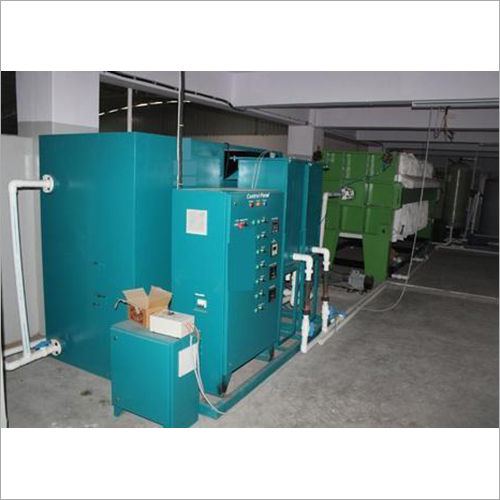
Tell us about your requirement

Price:
Quantity
Select Unit
- 50
- 100
- 200
- 250
- 500
- 1000+
Additional detail
Mobile number
Email

More Products in Industrial Wastewater Treatment Plant Category
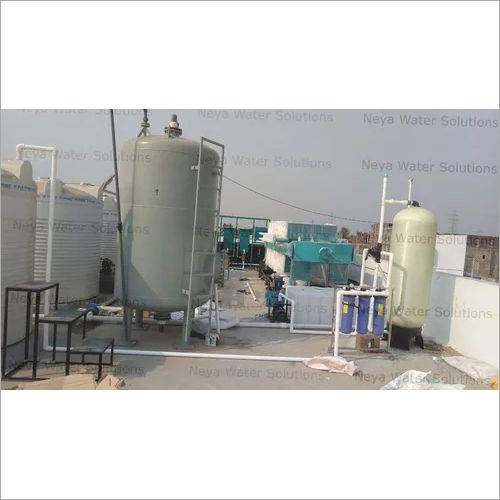
Wastewater Treatment Plant
Price 400000.00 INR / Unit
Minimum Order Quantity : 1 Plant
Membrane Size : 8 inch x 40 inch
Voltage : 415 V, 3 Phase, 50 Hz
Material : Mild Steel (MS)
Dimension (L*W*H) : Customized (commonly approx. 6000mm x 2500mm x 2500mm)
Industrial Waste water Treatment Plant
Price 400000.00 INR / Unit
Minimum Order Quantity : 1 Plant
Membrane Size : Standard (Customized available)
Voltage : 380440 V
Material : Mild Steel
Dimension (L*W*H) : Customized as per plant design
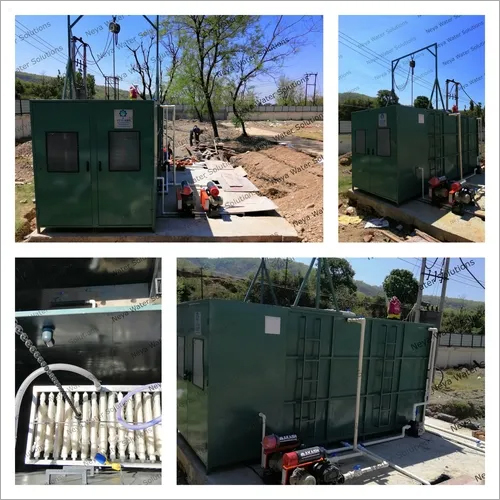
Commercial Wastewater Treatment Plant
Price 400000.00 INR / Unit
Minimum Order Quantity : 1 Plant
Membrane Size : 0.1 0.2 Micron
Voltage : 220 380 V
Material : Mild Steel
Dimension (L*W*H) : Customizable (As per requirement)
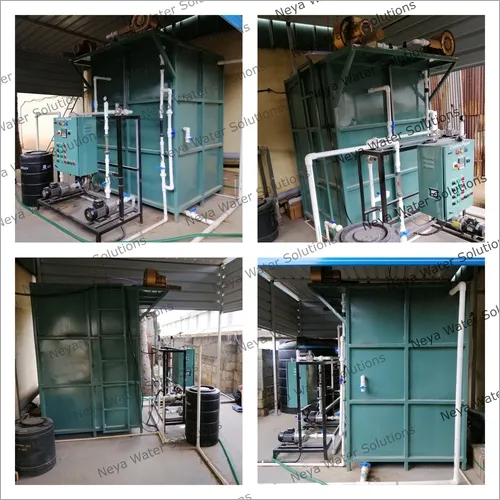
Fully Automatic Wastewater Treatment Plant
Price 200000.00 INR / Unit
Minimum Order Quantity : 1 Unit
Membrane Size : As per design
Voltage : 380V / 440V / 3 phase
Material : Mild Steel, Stainless Steel
Dimension (L*W*H) : Customized as per requirement

Contact Details
NEYA WATER SOLUTIONS
GST : 24AANFN8861D1Z1
- S.No-578/2, T.P.S.-91, Nr. Siddhpura Estate, Nr. Ramol Chowkdi, Near Hanumanji Mandir, Vatva Gidc, Ahmedabad - 382440, Gujarat, India
- Phone :07313727294
 Send Inquiry
 : 08264803636
|


Developed and Managed by Infocom Network Private Limited.
