Call: 07313727294
 Send Inquiry
 Send Inquiry
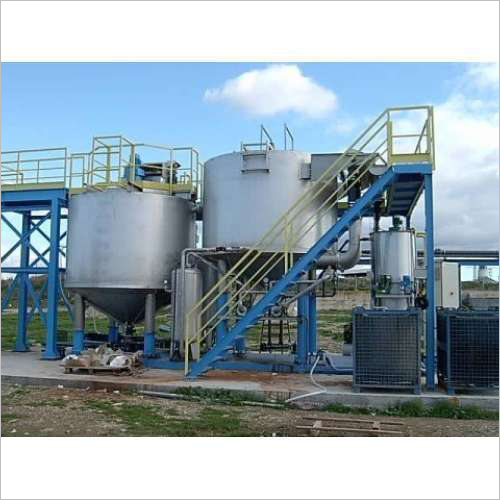
Industrial Water Recycling Plant
Price 200000.00 INR/ Unit
MOQ : 1 Unit
Industrial Water Recycling Plant Specification
- Feature
- Long Service Life
- Voltage
- 220-440 Volt (v)
- Automatic Grade
- Full Automatic
- Power Source
- Electric
- Volume
- Customize Liter (L)
- Material
- Metal
Industrial Water Recycling Plant Trade Information
- Minimum Order Quantity
- 1 Unit
- Supply Ability
- 10 Units Per Month
- Delivery Time
- 1 Week
- Main Domestic Market
- All India
About Industrial Water Recycling Plant
Industrial Water Recycling Plant that we have is engineered to be used in varied industrial sectors for treating waste water. Such a plant performs non-stop without hassle with the help of 220V power supply, 50Hz frequency, semi automatic grade functionality, and sturdy construction. This type of plant is perfectly installed at client's premises with the help of modern tools & equipments for excellent performance for longer. The Industrial Water Recycling Plant is suitable for hospitals, malls, hotels, restaurants, residential apartments, etc.
Specification
Frequency | 50 Hz |
Automatic Grade | Semi-Automatic |
Condition | New |
Type | Waste Water Treatment |
Usage | Industrial |
Power Supply | 220 V |
Advanced Automation for Effortless Operation
Featuring a fully automatic grade, the Industrial Water Recycling Plant requires minimal manual intervention. Its intuitive controls and automated cycles streamline water recycling for industrial applications, ensuring consistent performance and reducing downtime. Factories and large-scale enterprises can depend on efficient water management without the need for specialized staff.
Customizable Capacity to Suit Any Industry
With customizable liter volumes, these plants address diverse industrial demands across India. Whether you operate a small-scale facility or a large complex, the solution can be tailored to the specific water recycling needs of your operation, promoting efficiency and scalability as your business grows.
Durability and Sustainability Combined
Manufactured from high-quality metal, this water recycling plant is engineered for robustness and longevity, ensuring a long service life even under demanding industrial conditions. The focus on sustainability helps businesses comply with environmental regulations and contributes to conservation efforts.
FAQs of Industrial Water Recycling Plant:
Q: How does the Industrial Water Recycling Plant operate automatically?
A: This plant is equipped with a fully automatic system that monitors and manages all water recycling processes using electric controls, requiring minimal human oversight. Sensors and control panels regulate the cycles, ensuring efficient treatment and recycling of industrial wastewater.Q: What is the benefit of customizing the volume of the water recycling plant?
A: Customizing the plants volume allows businesses to match the systems capacity precisely to their operational needs. This ensures optimal usage, lowers energy consumption, and prevents water wastage, making the recycling process both efficient and cost-effective.Q: When should an industrial facility consider installing a water recycling plant?
A: Industries should consider installation when aiming to reduce water consumption, comply with local environmental regulations, or manage wastewater more efficiently. It is particularly advisable when the facility has high water usage or strict discharge standards to meet.Q: Where can these plants be installed in India?
A: The Industrial Water Recycling Plant can be installed across a variety of industrial locations in India, including manufacturing units, processing plants, and warehouses. Its robust design and customizable features make it suitable for diverse industrial environments throughout the country.Q: What process does the plant use to recycle water?
A: The plant uses advanced filtration, sedimentation, and purification systems to treat industrial wastewater. Contaminants are effectively removed, allowing the cleaned water to be reused within the facility for various applications, thereby conserving resources.Q: How is long service life achieved in this recycling plant?
A: Long service life is ensured through the use of premium-grade metal materials, corrosion-resistant components, and advanced engineering. These design choices mitigate wear and tear, ensuring reliable operations over an extended period.Q: What are the key usage and benefits for Indian industries?
A: Indian industries benefit by conserving valuable water resources, lowering operational costs, and achieving compliance with environmental standards. The systems automation, durability, and custom capacity enhance productivity while supporting sustainable industrial growth.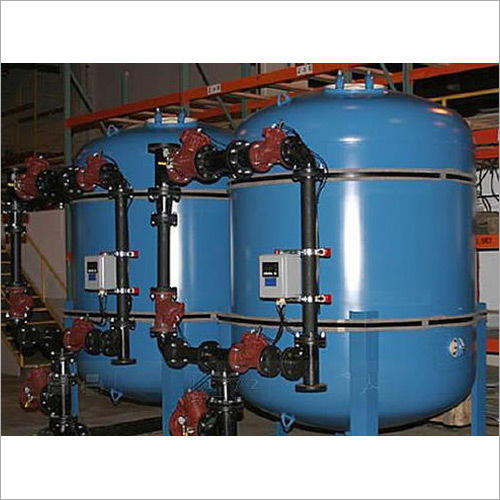
Tell us about your requirement

Price:
Quantity
Select Unit
- 50
- 100
- 200
- 250
- 500
- 1000+
Additional detail
Mobile number
Email

More Products in Water Recycling Plant Category
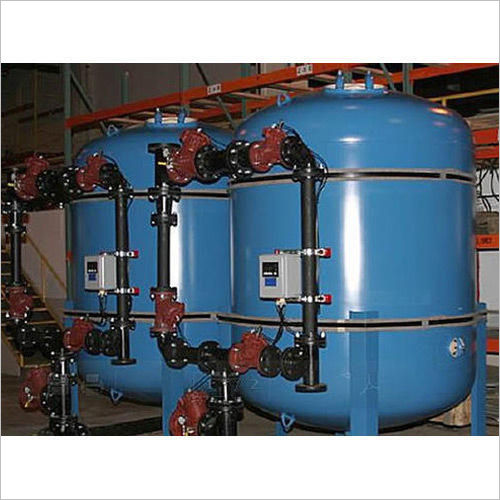
Grey Water Recycling System
Price 150000.00 INR / Unit
Minimum Order Quantity : 1 Unit
Volume : 500 10000 L/day
Material : Metal
Pump Type : Submersible / Centrifugal
Ph Level : 6.5 8.0
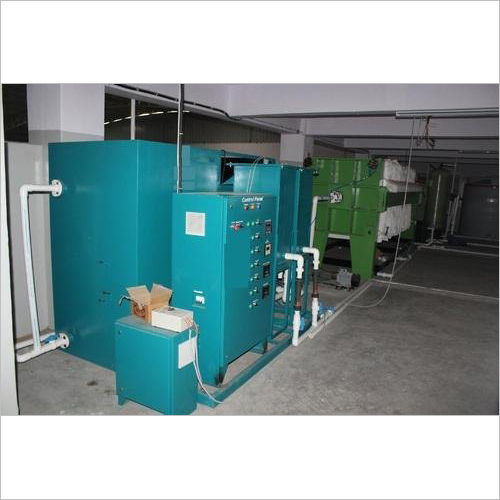
Waste Water Recycling Plant
Price 400000.00 INR / Unit
Minimum Order Quantity : 1 Unit
Volume : Varies as per model specification
Material : Metal
Pump Type : Centrifugal/Multistage
Ph Level : 6.58.5
Wastewater Recycling System
Price 500000 INR
Minimum Order Quantity : 1 Unit
Volume : Large
Material : Stainless Steel
Pump Type : Centrifugal
Ph Level : 78

Contact Details
NEYA WATER SOLUTIONS
GST : 24AANFN8861D1Z1
- S.No-578/2, T.P.S.-91, Nr. Siddhpura Estate, Nr. Ramol Chowkdi, Near Hanumanji Mandir, Vatva Gidc, Ahmedabad - 382440, Gujarat, India
- Phone :07313727294
 Send Inquiry
 : 08264803636
|


Developed and Managed by Infocom Network Private Limited.
